Landscaping Havering: Practical Ideas for Beautiful, Long-Lasting Outdoor Spaces
Landscaping Havering is about more than making a garden look tidy. It is the art of shaping outdoor spaces so they feel inviting, useful, and suited to local surroundings. In an area like Havering, where residential streets, suburban plots, and varied green spaces create a distinctive setting, thoughtful landscaping can transform a plain garden into an attractive place to relax, entertain, and enjoy throughout the year. 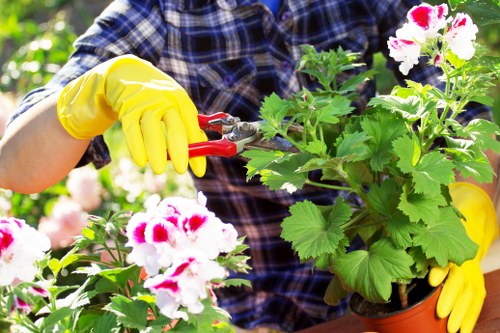
Whether you are improving a small front garden, redesigning a larger back garden, or updating a side return, the right approach to landscaping in Havering balances style with function. It considers soil conditions, sunlight, drainage, privacy, and the look of the home itself. A well-planned outdoor space does not only add visual appeal; it also improves everyday living and can make a property feel more complete.
Many homeowners searching for Havering landscaping ideas want a garden that feels polished without being difficult to maintain. That is where careful planning matters. From lawns and planting schemes to patios, paths, raised beds, and timber features, each element should support the overall design. When these details work together, the result is a garden that feels natural, practical, and enjoyable in every season.
Why Landscaping Matters in Havering Homes
Landscaping plays a major role in how a property looks and functions. In Havering, where homes range from traditional family houses to modern developments, outdoor spaces often serve multiple purposes. A front garden may need to create a strong first impression, while a rear garden may need to provide space for dining, play, planting, or quiet relaxation. Good design helps all of these needs work together instead of competing for attention.
Well-executed Havering landscaping can also make outdoor areas easier to use in daily life. Smart layouts guide movement through the garden, reduce clutter, and create zones for different activities. For example, a seating area positioned near the house can make outdoor meals more convenient, while a screened corner with shrubs or trellises can offer privacy. These choices are not only aesthetic; they improve comfort and usability.
Another important reason landscaping matters is long-term value. A garden that is attractive, healthy, and well maintained can enhance the overall impression of a property. Buyers often notice outdoor space quickly, and a neat, appealing garden can help a home stand out. Even for people not planning to sell, a better landscape improves everyday enjoyment and creates a stronger connection between the house and the land around it.
Understanding the Character of Landscaping in Havering
Havering landscaping services are often shaped by the local environment. The borough includes a mix of urban and suburban settings, which means every garden has its own opportunities and limitations. Some plots may have compact dimensions and need clever space-saving solutions, while others may offer enough room for larger lawns, planting borders, and feature areas. Recognising the character of the site is the first step in creating a successful design.
Soil type, drainage, and exposure all influence the success of any outdoor project. Some gardens in Havering may have heavier soils that hold water, while others may be drier and more suitable for drought-tolerant planting. Sunlight patterns also matter, especially if a garden includes lawns, flowering beds, or seating areas. A professional-looking landscape is often the result of choosing plants and materials that suit the real conditions of the site rather than relying on visual trends alone.
Style is another factor. A garden should feel connected to the home, not detached from it. That might mean using clean lines and contemporary materials for a modern property, or softer planting and natural textures for a more traditional house. The best landscaping Havering projects combine local practicality with personal taste, resulting in a space that looks intentional and feels comfortable.
Core Elements of a Well-Designed Garden
Every successful landscape tends to include a few essential components. Hard landscaping provides structure, while soft landscaping adds life and softness. Hard surfaces may include patios, paths, edging, retaining walls, steps, pergolas, or decorative gravel. Soft elements include lawns, shrubs, trees, flowers, ground cover, and climbers. When these are planned together, the garden becomes both functional and visually balanced.
A patio or terrace is often one of the most important features in landscaping Havering projects. It creates a usable space for sitting, eating, or socialising and connects the house to the garden. The size, position, and material of the patio can influence the entire feel of the landscape. Natural stone can create a timeless, elegant look, while porcelain paving gives a modern finish with low maintenance. Brick and concrete materials can also suit different homes depending on the intended style.
Planting is equally important. A garden without enough structure can feel flat, while one with too many plants can become cluttered. The best approach is usually a layered scheme that includes evergreen structure, seasonal colour, and varying heights. This creates interest through the year and supports a more natural rhythm. A skilled layout uses plants to soften hard surfaces, frame focal points, and guide the eye around the space.
Planting Choices That Work Well in Havering
Plant selection is central to any successful Havering landscaping plan. Because gardens in the area can face different microclimates, it is wise to choose plants that are adaptable and suited to the site. Hardy shrubs, ornamental grasses, perennials, and small trees can all play an important role in building a resilient garden design. These plants can bring texture and movement while remaining manageable for homeowners who prefer low-maintenance spaces.
Evergreen planting is especially valuable because it offers year-round form. Hedges, clipped shrubs, and structural plants help gardens look good even in winter when many flowering plants are dormant. Seasonal colour can then be added through bulbs, perennials, and annuals. This layered approach creates depth without making upkeep too demanding. It also means the garden will always have something of interest, whether that is foliage, flowers, stems, or berries.
For a more natural and relaxed look, mixed borders can work beautifully. These borders may include taller plants at the back, mid-height flowering plants in the centre, and low-growing species at the front. The result feels balanced and full. In many landscaping in Havering projects, this kind of arrangement provides softness that contrasts with patios, paths, and fences. It can turn a simple garden edge into a rich and welcoming feature.
How Hard Landscaping Shapes the Garden
Hard landscaping provides the framework for the garden. Without it, a space may lack direction. Paths, walls, borders, and paving define areas and make outdoor movement easier. In Havering gardens, where many homes need practical family-friendly layouts, hard landscaping can improve usability while also contributing to style. Straight paths can create a sense of order, while curved paths can make a garden feel more spacious and fluid.
Retaining walls and raised beds are useful where levels vary or where homeowners want to add visual height. They can be built with brick, stone, timber, or rendered blockwork depending on the desired appearance. Raised beds are especially helpful for creating planting opportunities in areas with poor soil or limited space. They also make maintenance more accessible and can be used to frame patios, entrances, or lawn edges.
Fencing, screening, and pergolas can add privacy and structure as well. In dense residential areas, these features help create a more peaceful outdoor setting. They can also support climbing plants, which adds greenery without taking up ground space. The right hard landscaping choices support the overall look of Havering landscaping services by making the garden more durable, attractive, and practical.
Balancing Low Maintenance and Visual Appeal
Many homeowners want beautiful gardens without spending every weekend on upkeep. This is one reason low-maintenance design has become so popular. A well-planned landscape can reduce maintenance while still feeling lush and inviting. The key is not to remove all planting or detail, but to make smart decisions about surfaces, plant types, and layout.
Using durable paving, quality edging, and mulch in planting beds can reduce weeding and make the garden easier to care for. Perennial plants and hardy shrubs often require less attention than high-maintenance bedding displays, yet they still bring structure and colour. Lawns can be kept to a manageable size or replaced in some areas with gravel, paving, or ground cover to cut back on routine mowing and watering.
For landscaping Havering, low maintenance should never mean dull. A good design uses contrast, repetition, and texture to keep the space visually interesting. Repeated planting groups can create rhythm, while a mixture of foliage colours and leaf shapes adds depth. Simple designs often age better than overly complicated ones, especially when they are built from quality materials and well chosen plants.
Creating Gardens That Suit Family Life
Family gardens need to be flexible. They should provide space for children to play, adults to relax, and everyone to move safely around the area. In many Havering homes, outdoor spaces have to support a busy routine, so landscape design must be both attractive and adaptable. A good family garden combines open areas with defined zones so that the space feels organised but not rigid.
Lawn areas are often useful in family settings because they offer open space for games and general recreation. At the same time, patios can create a clean area for outdoor furniture, planters, and social gatherings. Edges and borders should be strong enough to define the space without making it feel closed in. Soft planting along the perimeter can create enclosure while leaving the centre available for movement and activity.
Safety and durability matter too. Surfaces should be chosen for slip resistance and easy maintenance, while materials should be installed properly so they remain stable over time. Rounded edges, non-toxic planting, and good visibility across the garden all help create a practical and enjoyable environment. In this context, Havering landscaping is not just about looks. It is about building a place where daily life feels easier and more enjoyable.
Front Garden Landscaping and Kerb Appeal
The front garden is the first thing people see, so it deserves careful attention. Even a small front space can make a strong impression when it is thoughtfully designed. Clean paving, neat borders, attractive planting, and a clear entrance all contribute to kerb appeal. In Havering, where many homes sit along visible residential streets, the front garden can significantly influence the overall appearance of the property.
Front garden layouts often benefit from simplicity. Too many features can feel cramped, especially if the area is small. Instead, a few high-quality elements usually work best. A tidy path, low-maintenance planting, and perhaps a small tree or clipped shrub can create polish without overcrowding. Lighting may also be used to highlight entrances and improve evening visibility. These details help the home look cared for and welcoming.
For homeowners thinking about Havering landscaping services, the front garden is often a smart place to begin. It usually requires fewer components than a large rear garden, yet it can have a noticeable impact. A well-landscaped front area can also improve the transition between public street and private home, which helps create a sense of identity and pride in the property.
Using Design to Improve Small Gardens
Smaller gardens present unique challenges, but they also offer excellent opportunities for creative design. In Havering, many properties have compact outdoor areas that need to do a lot within a limited footprint. The key is to avoid visual clutter and instead make the space feel larger, brighter, and more purposeful. Simple shapes, clear lines, and thoughtful planting can all help.
Vertical features are especially effective in small gardens. Trellises, wall planting, raised planters, and narrow trees can create height without taking up too much ground room. Mirrors and reflective surfaces may also be used carefully to amplify light and add a sense of depth. Choosing lighter materials for paving and walls can make the space feel more open, while too many dark or heavy surfaces can make it appear smaller.
Storage also matters in compact landscapes. Tools, bins, and children’s items can quickly make a small garden feel crowded. Integrated storage solutions, discreet screening, or built-in seating with hidden compartments can help maintain order. A thoughtful landscaping Havering design makes every square metre count, turning limited outdoor space into something that feels stylish and easy to enjoy.
Seasonal Interest and Year-Round Enjoyment
A garden should offer interest in every season, not only during the warmer months. This is one of the strongest advantages of good planning. By combining evergreen structure, flowering plants, grasses, and trees with attractive bark or berries, a landscape can remain engaging throughout the year. In Havering, where weather conditions change across the seasons, this approach keeps the garden alive and relevant in all kinds of conditions.
Spring bulbs can bring early colour, summer perennials can create richness, and autumn foliage can add warmth and drama. In winter, evergreens and structural plants keep the garden from feeling bare. Even hard landscaping can contribute to seasonal appeal through texture, colour variation, and the way surfaces interact with frost, rain, and sunlight. When each season has something to offer, the garden becomes more than a decorative space; it becomes part of daily living.
Thoughtful layering ensures the garden never looks empty. Planting beds can be arranged so that something is always in flower or in leaf. Pathways can lead the eye to focal points, and seating areas can be positioned to capture the best light. This kind of attention to detail helps landscaping in Havering feel dynamic rather than static, giving homeowners a landscape they can appreciate all year long.
Materials That Suit Local Gardens
Choosing the right materials is central to achieving a durable and attractive landscape. In Havering, materials should suit both the climate and the home’s style. Natural stone offers timeless character and works well in traditional settings. Porcelain provides a sleek, modern finish and is often chosen for its clean lines and low maintenance. Brick, gravel, timber, and concrete products can also be used effectively when matched to the design.
The surface material should do more than look good. It needs to be practical, safe, and long lasting. Paving should be installed properly to prevent movement and drainage issues. Edging should define the space clearly and help maintain shape over time. Decorative gravel can be useful for low-maintenance areas or as a contrast to larger paved surfaces. In the right hands, materials become a design language that unifies the whole garden.
Textural contrast also matters. A mix of smooth paving, soft planting, timber features, and rougher aggregates can make a garden feel more layered and visually engaging. This variety is often what gives landscaping Havering its charm. Instead of relying on one dominant material, the best designs combine elements in a way that feels coherent and comfortable.
Why Professional Planning Makes a Difference
Although some garden updates can be done in stages, professional planning often creates better results. A landscape that seems simple on the surface may involve many decisions about levels, drainage, access, planting, and materials. When these factors are considered at the start, the outcome is usually more efficient and more visually consistent. This is especially true for larger projects or gardens with specific challenges.
Professional-style planning also helps avoid common mistakes. Poorly chosen plants may struggle in the wrong conditions, while badly positioned patios can leave a garden feeling awkward. Drainage problems can lead to standing water, and mismatched materials can make a space feel disjointed. By taking the time to understand the site and the desired use of the garden, a landscaping project is more likely to succeed over the long term.
For many homeowners, the value of Havering landscaping services lies in this combination of creativity and practicality. A successful garden is not just assembled from attractive pieces. It is planned as a whole, with each part supporting the others. That is what turns a collection of features into a unified outdoor environment.
Landscaping Havering for Long-Term Enjoyment
Good gardens do not need constant reinvention. They need a strong foundation, sensible planting, and a design that suits the people who use them. That is why Landscaping Havering is best approached as an investment in the home rather than a short-term makeover. When the structure, planting, and materials are well chosen, the garden can continue to improve with age.
Long-term success depends on flexibility too. Families grow, habits change, and outdoor spaces may need to support new routines over time. A well-designed garden can adapt more easily because it already has clear zones and durable structure. Small changes, such as updating planting, adding lighting, or refreshing seating, can keep the space feeling current without requiring a full redesign.
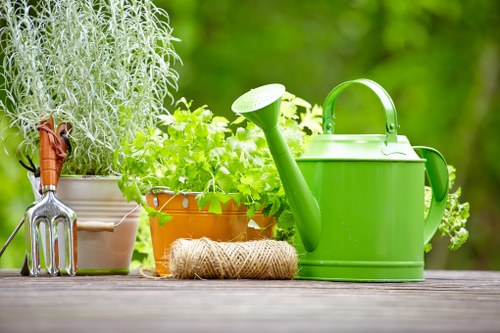 Ultimately, the most effective landscaping in Havering combines beauty, comfort, and practicality. It respects the character of the property while meeting the needs of the household. Whether the aim is a low-maintenance retreat, a family-friendly lawn, a stylish entertaining space, or a welcoming front garden, the right design can make outdoor living feel more enjoyable every day.
Thoughtful outdoor design also helps create a sense of place. A garden should feel connected to the home, the neighbourhood, and the people who use it. When structure, planting, and materials are chosen with care, they can reflect personality while remaining useful and easy to maintain. That balance is what makes a landscape feel complete rather than merely decorative.
Homeowners exploring landscaping Havering often discover that the best results come from a mix of restraint and imagination. Not every space needs elaborate features. Sometimes a simple layout with strong borders, attractive planting, and one or two standout materials is enough to create a striking effect. Clean design often has a lasting appeal that does not fade with trends.
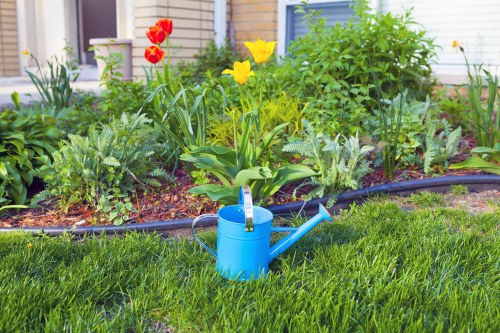 In the end, Havering landscaping services can help turn ordinary outdoor areas into places that are attractive, useful, and enjoyable all year round. With the right balance of hard landscaping, planting, and careful layout, a garden can become a natural extension of the home, offering beauty and comfort for many years to come.